By David Cantwell
•
February 26, 2026
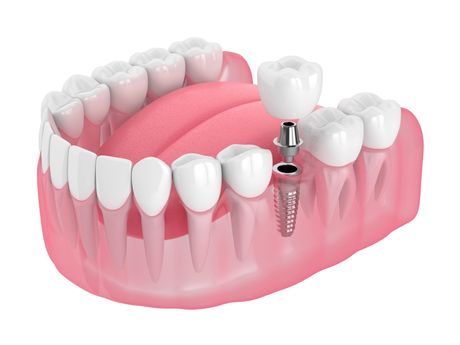
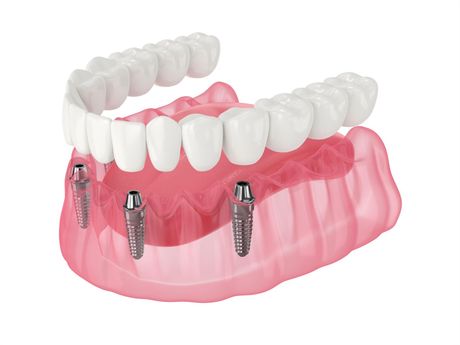
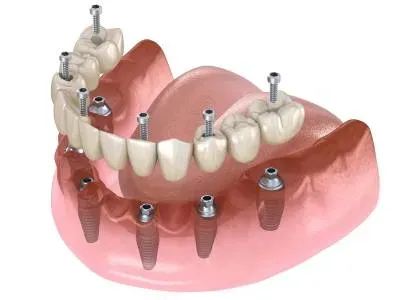
A toothache that won’t quit, a wisdom tooth that keeps flaring up, or a cracked molar that suddenly breaks can leave you wondering whether a regular dental visit is enough. For many Boise patients, clarity comes from understanding When Is Oral Surgery Necessary? Common Procedures in Boise, ID Explained, especially when symptoms point to infection, complex extractions, or tooth replacement needs. This guide explains what qualifies as oral surgery, how dentists decide, which procedures are most common locally, and what recovery typically looks like. What Counts as Oral Surgery (and When It’s Recommended) Oral surgery is a category of dental procedures that treat teeth, gums, the jawbone, or oral tissues when the work goes beyond routine dentistry like fillings or standard crowns. It often involves removing or reshaping tissue or bone, managing complex infection, or placing tooth replacements such as dental implants. The decision point is usually predictability and safety. If a tooth has severe tooth decay, deep infection, complicated roots, or proximity to nerves or sinuses, a surgical approach may reduce risk compared to forcing a “routine” fix. Oral surgery can be performed by a general dentist or by an oral and maxillofacial surgeon, depending on complexity and sedation needs. A referral is typical when the case involves impacted wisdom teeth, difficult tooth extraction, advanced bone grafting, or higher medical risk. If you’re in Boise, ID and symptoms are lingering or worsening, schedule an evaluation rather than guessing. For an appointment or questions, call 208-545-3131, or visit Atlantis Dental Care to request a consultation. Signs You May Need an Oral Surgery Evaluation Persistent symptoms are often the clearest signal that something more than routine care is going on. An evaluation is especially important if you notice: Persistent pain, swelling, drainage, fever, or a bad taste that can suggest infection or a dental abscess. Impacted teeth, severe crowding, or teeth that can’t be restored predictably after fracture, repeated fillings, or a failed root canal. How Your Dentist Confirms the Need Your dentist typically confirms the need for oral surgery with a clinical exam plus imaging. Most cases start with dental X-rays, and CBCT may be recommended when nerve position, sinus anatomy, root shape, or jawbone volume must be mapped more precisely. You should also expect a risk and benefit discussion before treatment planning is finalized. This includes alternatives, ideal timing, expected outcomes, and what could change the plan on the day of the procedure. Step-by-Step: How Dentists Decide Between Routine Care and Surgery Dentists generally follow a consistent decision process to determine whether a condition can be treated conservatively or needs a surgical approach. That process usually looks like this. Step 1: Diagnose the problem and identify the goal (save the tooth, remove infection, replace the tooth, or protect jawbone and surrounding teeth). Step 2: Evaluate complexity (root shape, bone level, proximity to nerves or sinus, mouth opening, and medical history). Step 3: Choose the safest treatment path and a sedation and anesthesia plan that matches the procedure and patient needs. Dr. David L. Cantwell can walk you through these options in plain language and coordinate referrals to an oral and maxillofacial surgeon when appropriate. If you want to discuss Boise tooth extractions, wisdom teeth removal, or dental implants, you can start by calling 208-545-3131. Common Oral Surgery Procedures in Boise, ID (What They Treat) The most common oral surgery needs seen in Boise, ID tend to mirror what shows up across competitor SERPs: tooth extraction (including wisdom teeth removal), dental implants, and treatment of oral infections. Many visits also include bone-related procedures that support long-term tooth replacement success. A key distinction is the difference between a simple extraction and a surgical extraction. A case becomes “surgical” when access is limited, the tooth is broken or below the gumline, roots are curved or complex, bone removal is needed, or the tooth must be sectioned for safe removal. Most patients can expect a predictable visit flow. It usually goes consultation, procedure day, aftercare with post-op instructions, and then a follow-up when needed to confirm healing. If your symptoms match what’s described below, a consult can prevent delays and reduce complication risk. Call 208-545-3131 to schedule, or use the online contact page. Tooth Extractions: Simple vs Surgical A tooth extraction is recommended when a tooth can’t be restored predictably or when keeping it could threaten surrounding tissues. The goal is to remove the problem tooth while protecting the jawbone and planning for what comes next, which may include implants or a bridge. A simple extraction is typically used when the tooth is visible, roots are straightforward, and minimal bone removal is expected. A surgical extraction is more likely when the tooth is broken, heavily decayed, has curved roots, sits below the gumline, or requires sectioning to remove safely. Wisdom Teeth Removal (Impaction and Prevention) Wisdom teeth removal is often recommended when third molars are likely to cause repeated problems. Impacted wisdom teeth can be trapped in the jawbone or under gum tissue, and impaction can lead to infection, damage to adjacent teeth, and hard-to-clean areas prone to tooth decay. Common reasons for removal include impaction, repeated inflammation, infection, cyst risk, and decay on adjacent molars. Timing matters because earlier removal can reduce complication risk in some patients, especially when roots are still developing and bone is more flexible. Dental Implants and Bone-Related Procedures Dental implants are considered when one or more teeth are missing, when a bridge is failing, or when a tooth is planned for extraction and you want a fixed replacement. Implant planning focuses on bone volume, bite forces, gum health, and long-term cleanability. Related procedures may include bone grafting, socket preservation, and a sinus lift when the upper back jaw lacks bone height. If you want to read more about specific bone procedures, see ridge augmentation and sinus lift resources, or browse the main oral surgery page for options. Treatment of Oral Infections and Pathology Concerns Treatment of oral infections may require more than antibiotics alone. A dental abscess may need incision and drainage, plus extraction or coordination of a root canal depending on whether the tooth can be saved. Oral lesions should also be evaluated promptly, especially if they persist, grow, bleed, or do not heal. Your dentist may recommend cancer screening steps, monitoring, or biopsy and referral when the tissue appearance raises concern. Boise Patient Scenarios and Key Takeaways (When to Call) Real-world cases help clarify when oral surgery is likely. These scenarios are common in Boise and are typical reasons patients move from routine dental care to a surgical consult. A cracked molar that breaks below the gumline and can’t hold a crown, leading to a surgical extraction and future implant planning. Repeated wisdom tooth infections with gum swelling behind the molars, often tied to impacted wisdom teeth or partial eruption and chronic inflammation. A tooth with a failed root canal and recurring infection, where retreatment isn’t predictable and extraction plus replacement becomes the safer path. Facial swelling from a dental abscess, which may require urgent infection control, drainage, and definitive treatment of the source tooth. Use practical decision guidance if you’re unsure what to do next. Watch only if symptoms are mild and improving, schedule soon if symptoms persist or recur, and seek urgent care if breathing, swallowing, or swelling is escalating. Key takeaways you can act on right away: Symptoms to take seriously: persistent pain, swelling, drainage, fever, bad taste, or facial swelling. Common procedures: tooth extraction (simple extraction or surgical extraction), wisdom teeth removal, dental implants, bone grafting, socket preservation, and treatment of oral infections. Next steps: book a consultation, ask what imaging is needed (dental X-rays vs CBCT), and confirm your sedation and anesthesia plan and post-op instructions. For questions, call 208-545-3131 . Dr. David L. Cantwell can review your case, explain options clearly, and help coordinate surgical care when a referral is the safest route. When is oral surgery necessary? Oral surgery is necessary when a dental problem can’t be treated predictably with routine care or when the safest solution involves surgical access, bone management, or advanced infection control. Common reasons include surgical extractions, impacted wisdom teeth, dental implants with bone grafting or socket preservation, and significant infections such as a dental abscess. If you want an expert opinion tailored to your symptoms and imaging, schedule a consultation through contact or call 208-545-3131. Conclusion: The Right Time for Oral Surgery Is Usually “Before It Becomes an Emergency” Oral surgery is recommended when a problem can’t be resolved safely with routine dentistry—or when waiting increases the risk of infection, bone loss, or more complicated treatment. In Boise, the most common surgical needs include removing teeth that can’t be restored, addressing impacted wisdom teeth, placing implants (often with grafting or socket preservation), and treating infections or suspicious tissue changes. If you’re unsure where your symptoms fall, a simple rule helps: Mild and improving: monitor closely and keep your dentist informed. Persistent, recurring, or worsening: schedule an evaluation soon. Rapid swelling, fever, trouble swallowing/breathing, or uncontrolled bleeding: seek urgent care. To discuss your situation, call 208-545-3131 or request an appointment through contact. Dr. David L. Cantwell can review your symptoms and imaging, explain options clearly, and help coordinate surgical care when it’s the safest route.